
QTA Unit Leasing for Rental Fleet Operations
Portable QTA stations help you process vehicles quickly at airports, overflow lots, and remote fleet locations. Set up flexible quick turnaround stations that support inspections, interior cleaning, and vehicle staging without building permanent facilities.
-
Process more vehicles per hour
-
Reduce lot congestion
-
Expand fleet operations fast
Built for airport rental fleets and high-volume vehicle turnaround operations.
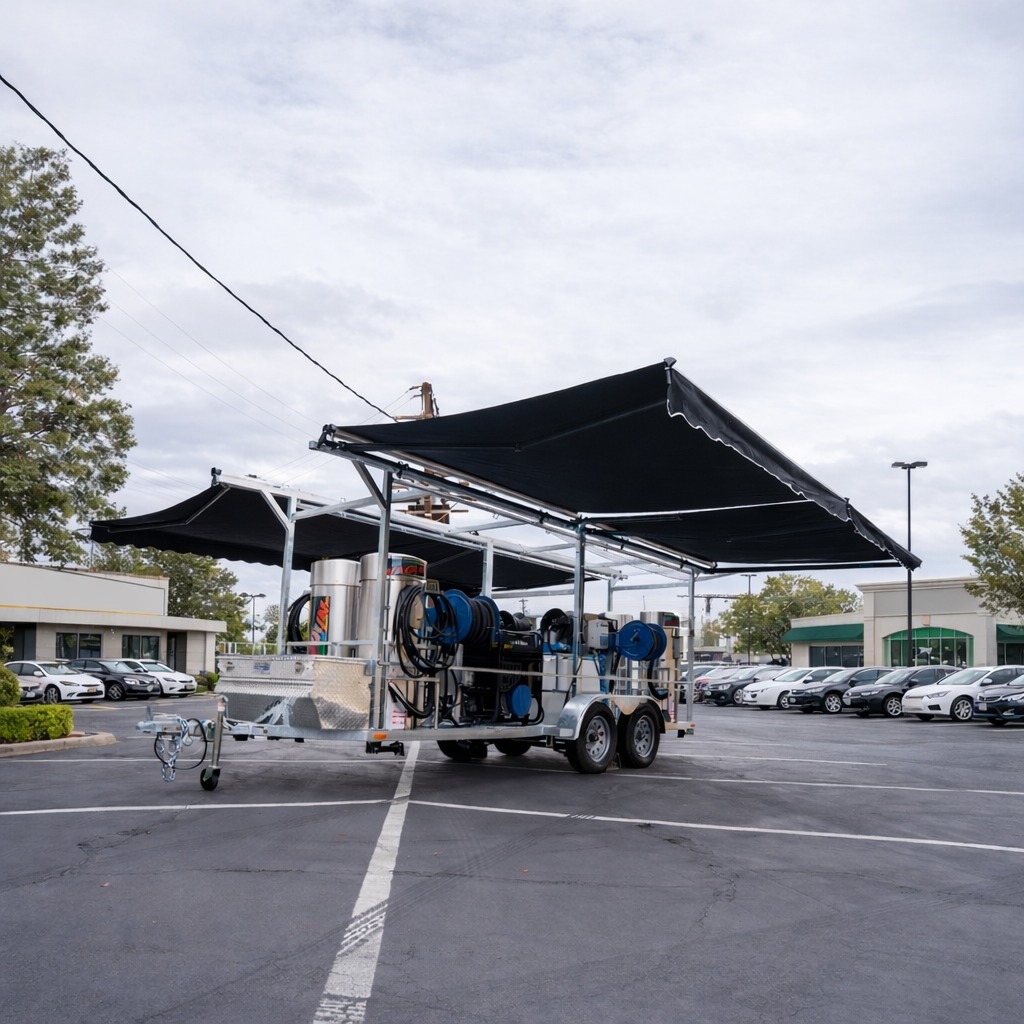
QTA unit leasing allows rental companies to deploy quick turnaround equipment without buying permanent infrastructure. You lease QTA units when you need to process vehicles quickly but want to avoid large capital costs. Leasing helps rental fleets expand operations, open new locations, and manage seasonal travel demand.
Quick Turnaround Areas, known as QTA facilities, prepare rental vehicles between customers. These areas handle inspection, interior cleaning, and staging before vehicles return to the ready line.
What Is QTA Unit Leasing?
QTA unit leasing provides rental fleets with equipment used to process vehicles between rentals.
Leased QTA equipment commonly includes:
-
portable QTA stations
-
interior cleaning stations
-
inspection lighting systems
-
vehicle staging equipment
-
water and chemical delivery systems
Instead of purchasing equipment outright, rental companies lease QTA units and install them where vehicle processing capacity is needed.
This approach allows fleets to expand operations quickly without building permanent facilities.
Why Rental Fleets Use QTA Unit Leasing
Rental fleets experience changing demand during the year. Travel seasons, airport expansions, and fleet growth often increase vehicle processing requirements.
QTA unit leasing helps rental operators handle these changes.
Lower Upfront Costs
Leasing equipment avoids large capital purchases.
Faster Deployment
Leased QTA units can be installed quickly without construction.
Flexible Fleet Expansion
Rental companies can add equipment when vehicle volume increases.
Reduced Financial Risk
Leasing avoids long-term ownership costs if fleet operations change.
Equipment Included in QTA Unit Leasing
Leased QTA units combine several tools used in vehicle preparation and inspection.
Interior Cleaning Stations
Interior cleaning equipment prepares the vehicle cabin before the vehicle returns to the ready line.
Common equipment includes:
-
commercial vacuum systems
-
detailing tools
-
trash collection stations
-
interior wipe-down supplies
These stations allow technicians to clean vehicles quickly between rentals.
Inspection Equipment
Inspection stations confirm vehicles meet fleet standards before they return to service.
Typical tools include:
-
inspection lighting systems
-
digital inspection tablets
-
tire pressure gauges
-
fuel verification tools
Inspection equipment helps prevent damaged or poorly prepared vehicles from reaching customers.
Water and Chemical Systems
QTA units often include water and chemical delivery systems used for vehicle preparation.
Typical components include:
-
water storage tanks
-
chemical injection systems
-
hose reel systems
-
cleaning supply stations
These systems support vehicle cleaning operations in locations without permanent infrastructure.
Where QTA Unit Leasing Is Used
Rental fleets deploy leased QTA equipment in several operational environments.
Airport Rental Facilities
Airports process large numbers of vehicle returns daily. Leasing QTA units allows operators to expand vehicle processing capacity when demand increases.
Overflow Rental Lots
When airport lots reach capacity, rental companies often store vehicles in nearby overflow areas. Leased QTA equipment allows technicians to prepare vehicles in those locations.
Temporary Fleet Locations
Rental companies opening new fleet locations often lease equipment before building permanent facilities. This allows operations to start quickly.
Benefits of QTA Unit Leasing
QTA unit leasing helps rental fleets maintain efficient vehicle turnaround operations.
Scalable Equipment
Rental companies can increase equipment capacity as fleet size grows.
Flexible Deployment
Leased units can relocate to different lots when vehicle flow changes.
Faster Vehicle Turnaround
Additional QTA capacity prevents delays in vehicle preparation.
Lower Capital Investment
Leasing allows companies to operate equipment without large upfront spending.
QTA Unit Leasing vs Equipment Ownership
| Feature | QTA Unit Leasing | Equipment Ownership |
|---|---|---|
| Upfront cost | Low | High |
| Installation time | Fast | Longer |
| Flexibility | High | Limited |
| Maintenance responsibility | included | Owner responsibility |
| Scalability | Easy to adjust | Requires new equipment |
Many rental companies combine leased QTA units with permanent infrastructure to support high-volume operations.
Planning QTA Unit Leasing for Fleet Operations
Before leasing QTA units, fleet managers usually evaluate several operational factors.
Important considerations include:
-
daily vehicle return volume
-
lot layout and vehicle flow
-
available utilities such as water and power
-
number of inspection and cleaning stations required
-
staffing levels
A typical QTA workflow includes:
-
vehicle return
-
damage inspection
-
exterior preparation
-
interior cleaning
-
fuel check
-
final inspection
-
vehicle staging for the ready line
Leased equipment must support this workflow without slowing vehicle processing.
QTA Unit Leasing for Airport Fleet Efficiency
The right QTA unit leasing solution helps rental companies maintain fast vehicle turnaround while controlling equipment costs.
Leased quick turnaround equipment allows you to:
-
expand vehicle processing capacity
-
support airport fleet growth
-
operate temporary fleet locations
-
reduce equipment investment costs
For high-volume rental operations, QTA unit leasing provides a practical solution for scaling vehicle preparation systems while maintaining efficient fleet operations.